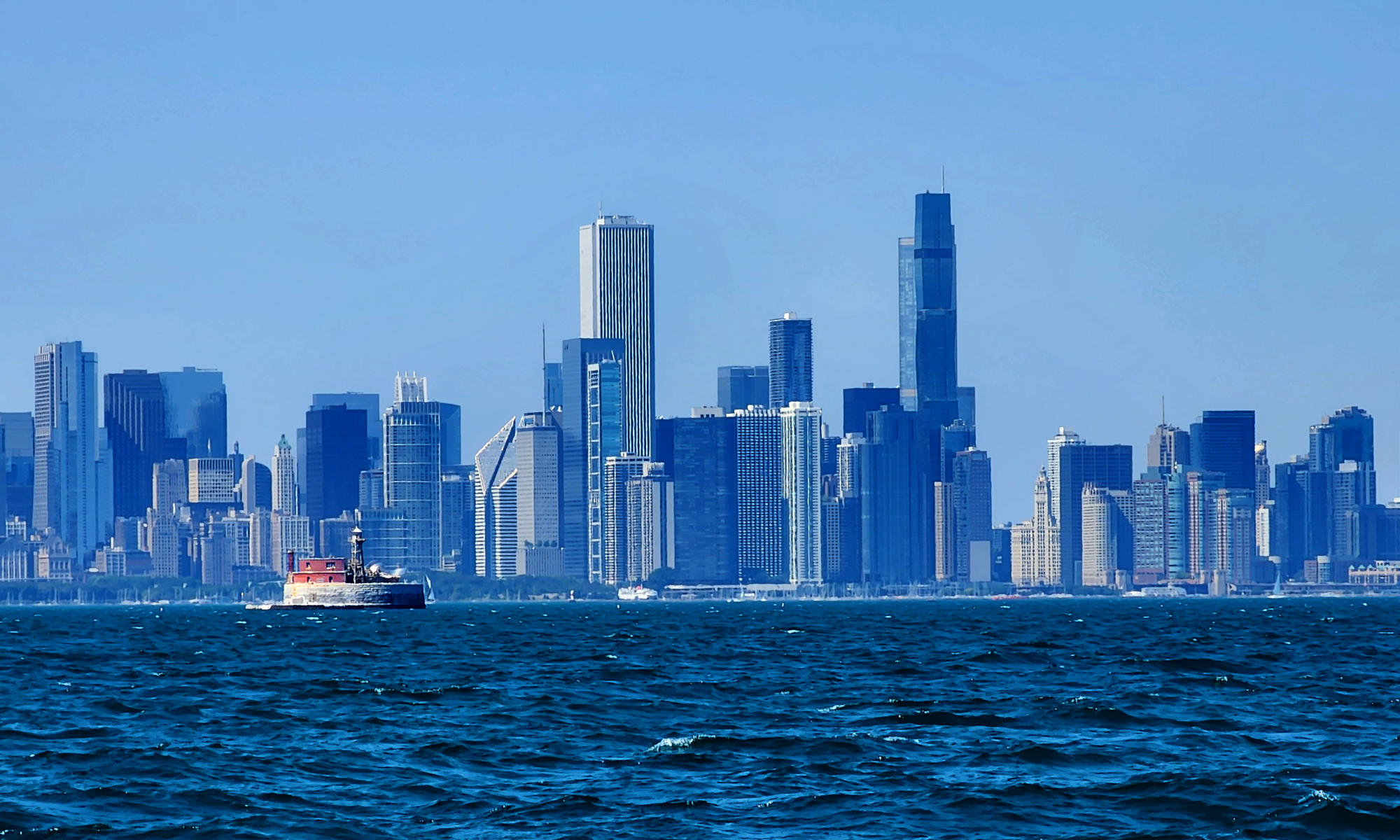

I am directionally challenged. (If you know me, you know this.) I frequently get lost on the road, and have more than once gotten lost in the mall. This quality (or lack thereof) is a part of who I am, much like my green eyes, the mole on my knee, or the fact that I’m a Gemini. I’ve come to accept this about myself.
Whenever I get in the car or step onto a city sidewalk, my brain turns OFF. It’s an uncanny experience, perhaps it’s jamais vu.
Jamais vu involves a sense of eeriness and the observer’s impression of experiencing something for the first time, despite rationally knowing that they have experienced it before. [Larner, A. J. (12 November 2010). A Dictionary of Neurological Signs. Springer Science & Business Media. p. 199. ISBN 978-1-4419-7095-4.]
Backtracking: All Roads Lead to Delaware
Back in the day, in my early 20s living in New Jersey, I set out to visit my sister in Pennsylvania. It was a 2 hour drive and somewhere along the way I missed my exit. Being the patient person that I am, I kept driving and waited for it to come up…. 2 hours down the road, I wound up in Delaware.
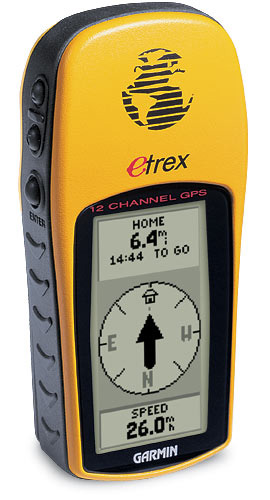
For mother’s day one year, Kent got me a hand-held Garmin GPS unit before GPS was adopted by cell phones. It was under the pretense that I could hunt for geocaches. But we all knew it was to fill the empty spot in my brain that tells me where North is.
Here’s the deal: I have trouble with mental rotation tasks. When I look at a map, whether it be a paper map or a Google map, I like to turn my body to the North so that I can skip all of the mental gymnastics. Whereas Kent likes to use “North up,” (he likes to see where he is in context), I prefer to use “heading up,” so the map rotates to align with the direction I’m facing. This is why I’ve come to believe, North is whichever direction I’m facing.
To boot, I think I’ve developed spatial anxiety: I have a constant, low-grade fear of getting lost or disoriented, which leads to excessive worry, avoidance behavior, and ultimately, more difficulty with navigation. I often feel helpless and utterly frustrated. It’s particularly bad when I’m asked to navigate (which is why you’ll often see me doing the driving and Kent in the passenger’s seat)!
To be honest, the advent of GPS in our cars and on our phones felt like a miracle.
Observing and Learning
One of the first things we learned at the University of Iowa Sailing Club on Lake MacBride – where the wind is swirly – was to look up at the horizon and observe the clues. What is the weather? What direction are other boats sailing? How have they set their sails? Look at the flags waving on the shore. Look at the water rippling, etc. Getting yourself oriented and figuring out how you’re going to get somewhere is an integral piece of the sailing puzzle.
And so it surprised me to find that makin my way on the water brings me a lot less anxiety! There are no roads to trap you and lead you astray!
On the road, signs, traffic lights, and lane markings direct you. You are confined to the path laid out before you. But the sea is a vast, ever-changing waterscape. Wind, currents, and weather conditions shift rapidly, forcing you to adapt your plans on the fly. If you’re lucky, you can sail directly to your destination. But chances are you’ll have to make lots of turns to get where you’re going. THIS IS HOW I ROLL!

From my point of view, sailing’s greatest lesson is about adaptability. Mother nature is in charge and if things don’t go as planned, we’ll change our plans. My navigational mishaps get sort of absorbed by the whole vibe. We’ll adjust and keep moving till we get there.
Anyone out there have this problem too?
Discover more from SAIL & SAVOR BLOG
Subscribe to get the latest posts sent to your email.


One Reply to “”